
There’s something truly heartwarming about serving a dish that’s been a family favorite for generations.
The rich layers of beef, cheese, and tomato sauce in this lasagna create a symphony of flavors that’s both robust and comforting.
Using no-boil noodles, this recipe saves time without sacrificing the authentic taste we all love.
I remember the first time I tasted this dish at a family gathering, its layered flavors instantly made it a staple in my own kitchen.
Perfect for any occasion, this lasagna will quickly become a cherished part of your family’s meal repertoire.
The History and Cultural Significance
• The Best Easy Beef Lasagna traces its origins to Italy, where it was originally created by home cooks looking to make use of local ingredients.
• The dish evolved over decades as pasta-making techniques improved and cheese became more widely available, eventually becoming the beloved version we know today.
• In Italian culture, this dish traditionally appears at family gatherings and celebrations, symbolizing unity and comfort.
• While many variations exist across different regions, the authentic version maintains a balance of rich flavors and layered textures that sets it apart from imitations.
Recipe Overview
Nutritional Information (per serving)
Essential Equipment Guide
Baking Dish: A high-quality ceramic or glass baking dish ensures even heat distribution for perfectly cooked lasagna. Alternatives include metal pans, but they may cook unevenly. Look for a dish with a non-stick surface for easy serving.
Sharp Knife: Essential for slicing through the dense layers cleanly without disturbing the structure. A serrated knife can also work well for cutting lasagna.
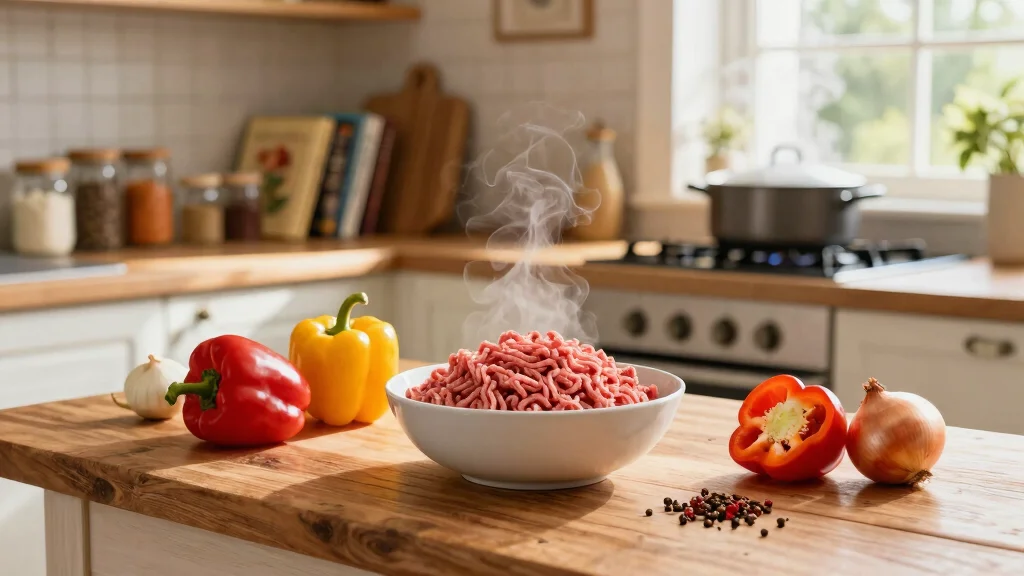
Large Skillet: Important for browning the beef and cooking the sauce. A wide, heavy-bottomed skillet allows for even cooking and prevents burning.
Ingredients
For the Meat Sauce
|
| Amount | Ingredient | Notes |
|---|---|---|
| 1 pound | ground beef | adds rich, savory flavor |
| 1 medium | onion | finely chopped for sweetness |
| 2 cloves | garlic | minced for aromatic depth |
| 1 can (28 ounces) | crushed tomatoes | provides a robust base |
For the Cheese Mixture
| Amount | Ingredient | Notes |
|---|---|---|
| 1 cup | ricotta cheese | creamy texture |
| 1 cup | mozzarella cheese | shredded for melting |
| 1/2 cup | Parmesan cheese | grated for savory depth |
For the Lasagna
| Amount | Ingredient | Notes |
|---|---|---|
| 9 sheets | no-boil lasagna noodles | easy layering |
| 1 tablespoon | olive oil | prevents sticking |
Preparation Methods
Browning Meat: Properly browning the beef is crucial for flavor development. It involves cooking the meat over medium-high heat until it’s deeply browned, which enhances its savory notes. Ensure the skillet is hot before adding the beef and avoid overcrowding.
Layering Lasagna: This technique involves alternating layers of noodles, sauce, and cheese. It ensures each bite is balanced. Start with sauce at the bottom to prevent sticking and finish with a generous cheese layer on top.
Simmering Sauce: Simmering allows flavors to meld and deepen. Cook the sauce gently over low heat after adding tomatoes, stirring occasionally to prevent sticking. This reduces the acidity and enhances the sweetness of the tomatoes.
Step 1: Prepare Ingredients
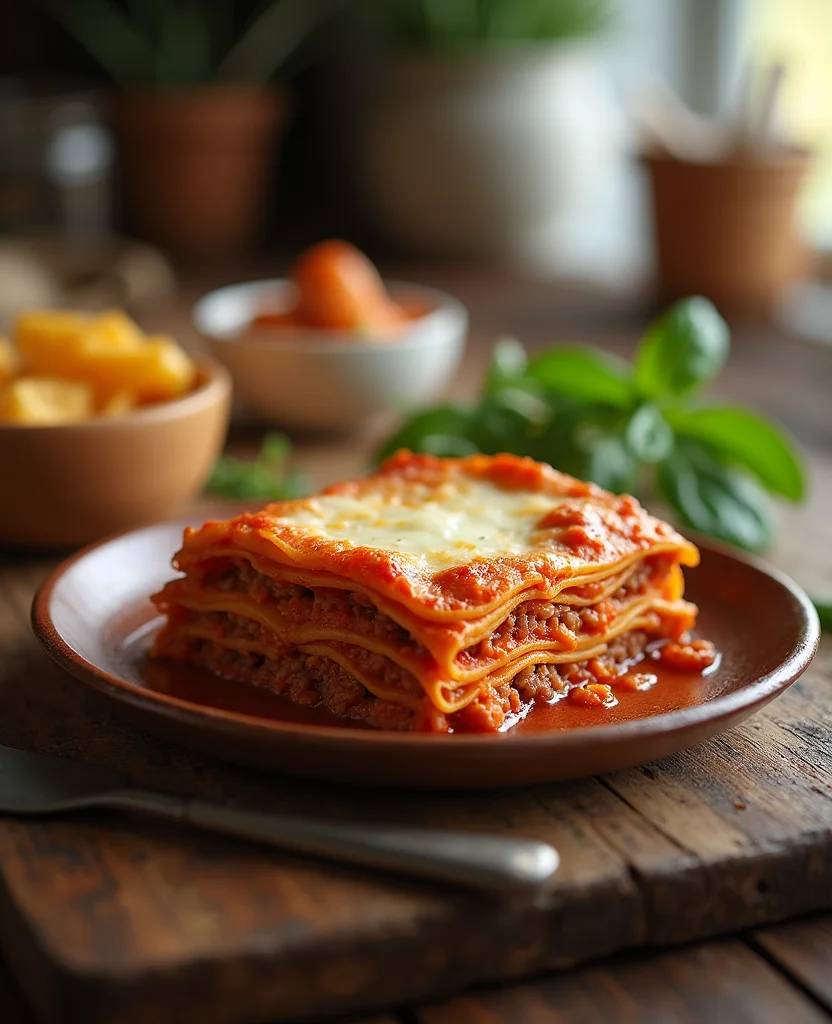
Gather all ingredients and equipment needed for the recipe.
Chop onion and mince garlic for the sauce.
Measure out cheese and have it ready for layering.
Ensure no-boil noodles are separated and ready to use.
Step 2: Brown the Beef
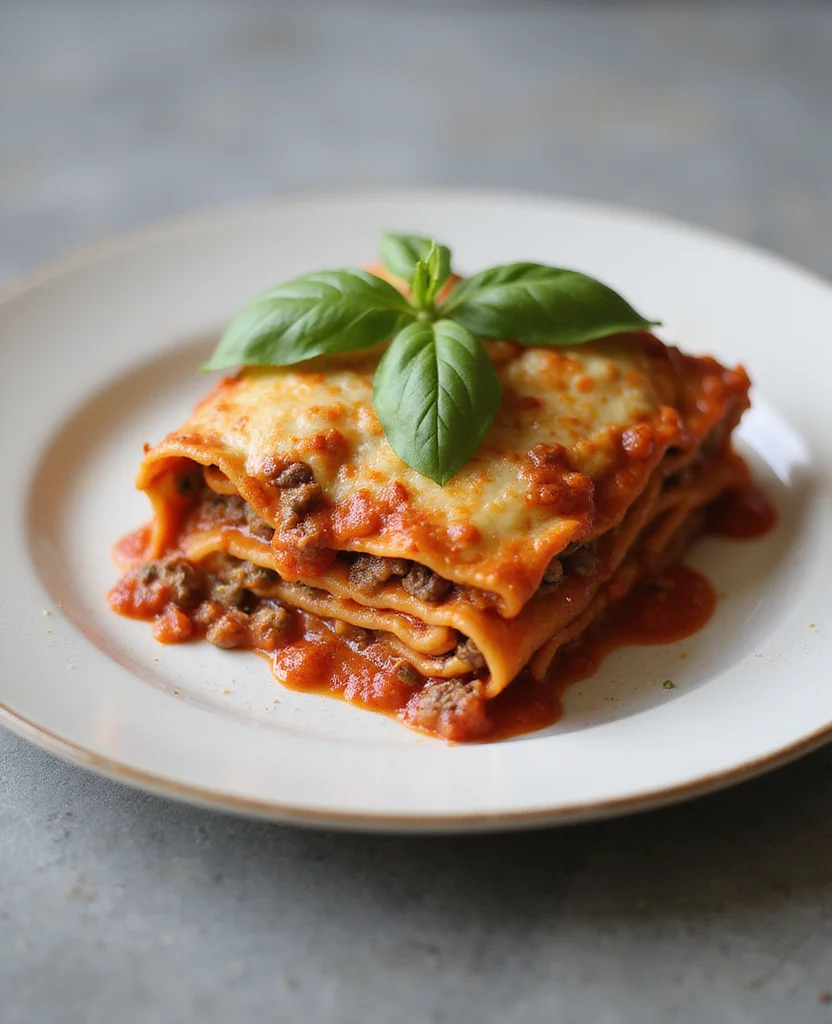
Heat a large skillet over medium-high heat and add ground beef.
Cook until the meat is browned, breaking it apart with a wooden spoon.
Add chopped onion and garlic, cooking until softened.
Drain excess fat from the skillet to keep the sauce light.
Step 3: Make the Sauce
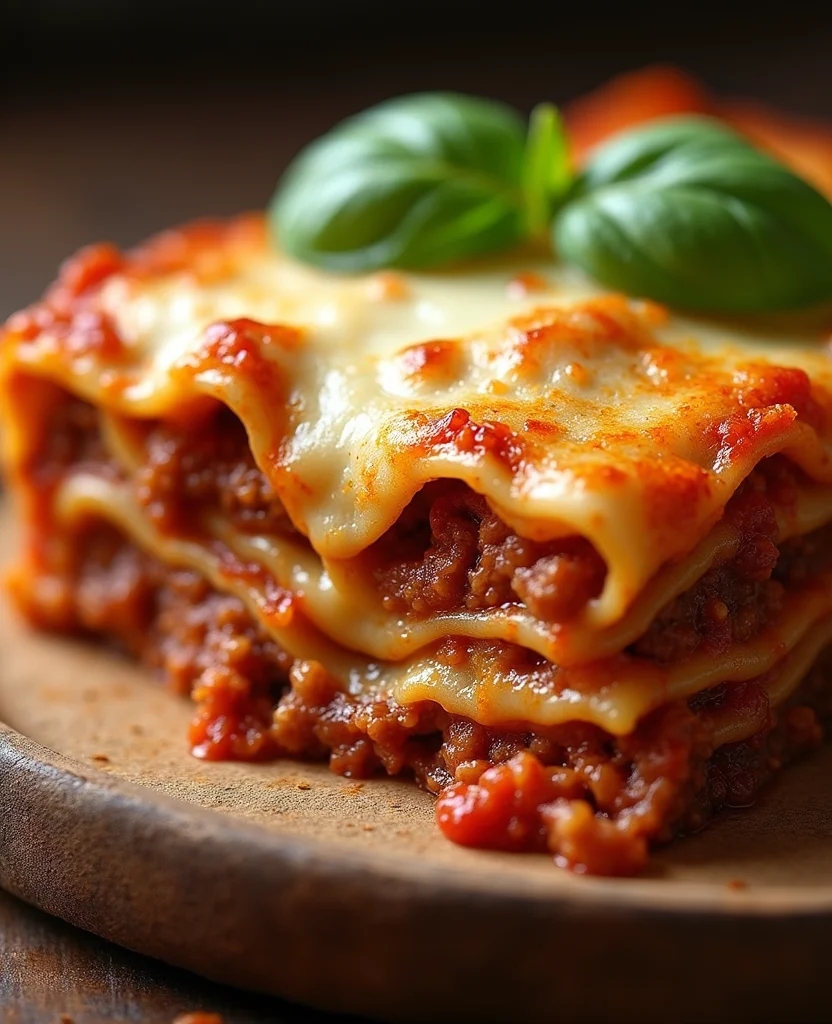
Add crushed tomatoes to the browned meat mixture.
Stir well to combine and bring to a gentle simmer.
Season with salt and pepper, then let it simmer for about 15 minutes.
Stir occasionally to prevent sticking and allow flavors to meld.
Step 4: Mix the Cheeses
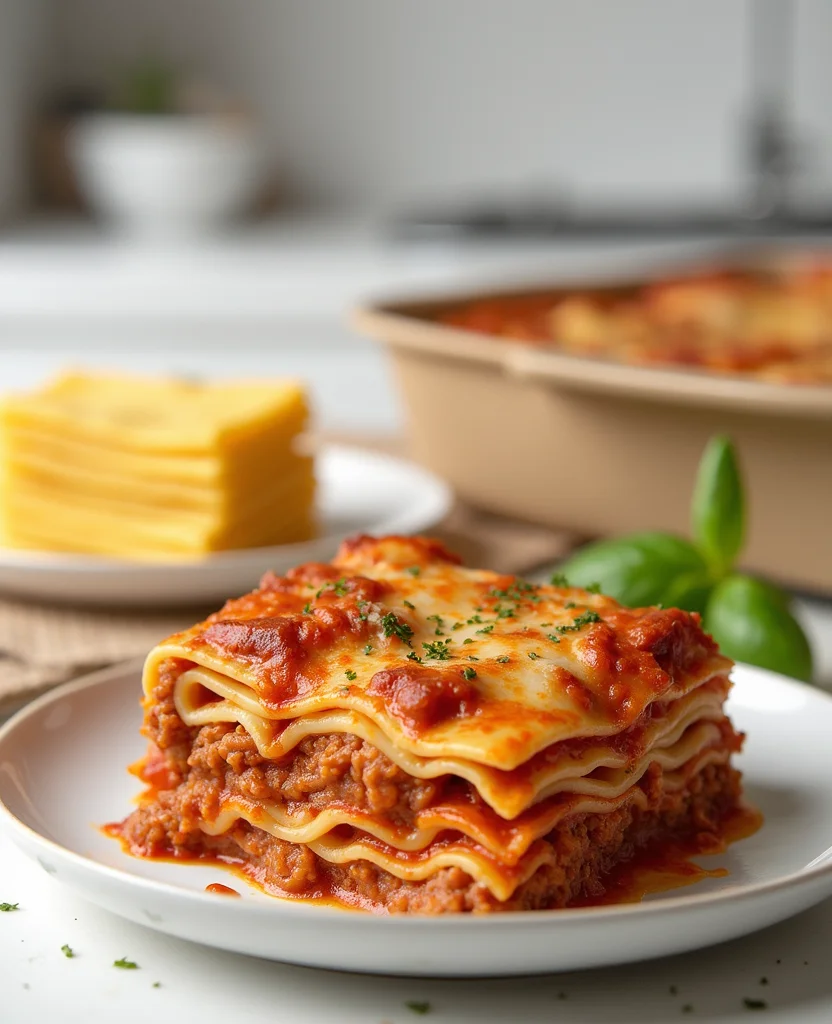
In a bowl, combine ricotta, mozzarella, and Parmesan cheeses.
Stir until the cheeses are evenly mixed.
Season with a pinch of salt and pepper for extra flavor.
Set aside for layering later.
Step 5: Layer the Lasagna
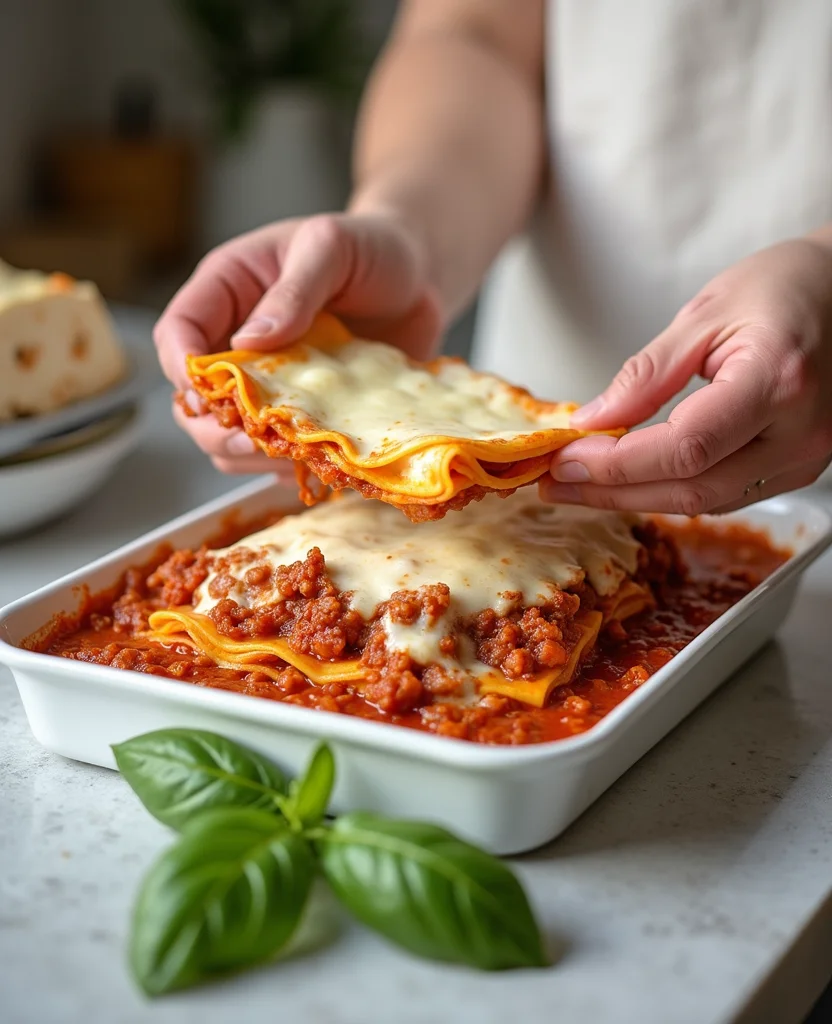
Preheat the oven to 375°F (190°C).
Spread a thin layer of meat sauce on the bottom of the baking dish.
Place a layer of no-boil noodles over the sauce.
Top with a portion of the cheese mixture and repeat layers.
Step 6: Final Layer and Cheese
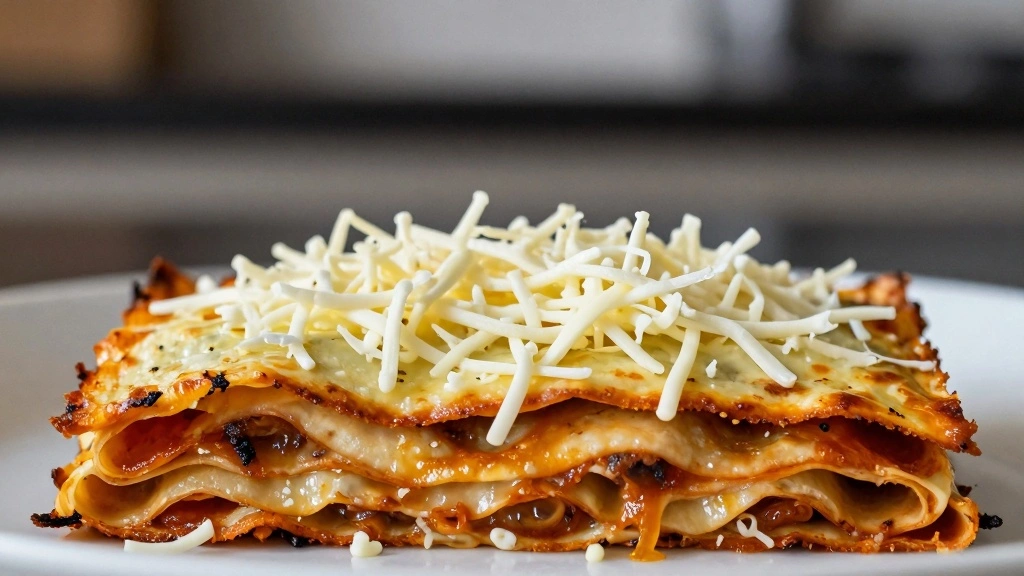
Finish with a generous layer of meat sauce.
Sprinkle remaining mozzarella cheese evenly on top.
Ensure the top layer is completely covered with cheese.
This creates a golden, bubbly finish after baking.
Step 7: Bake the Lasagna
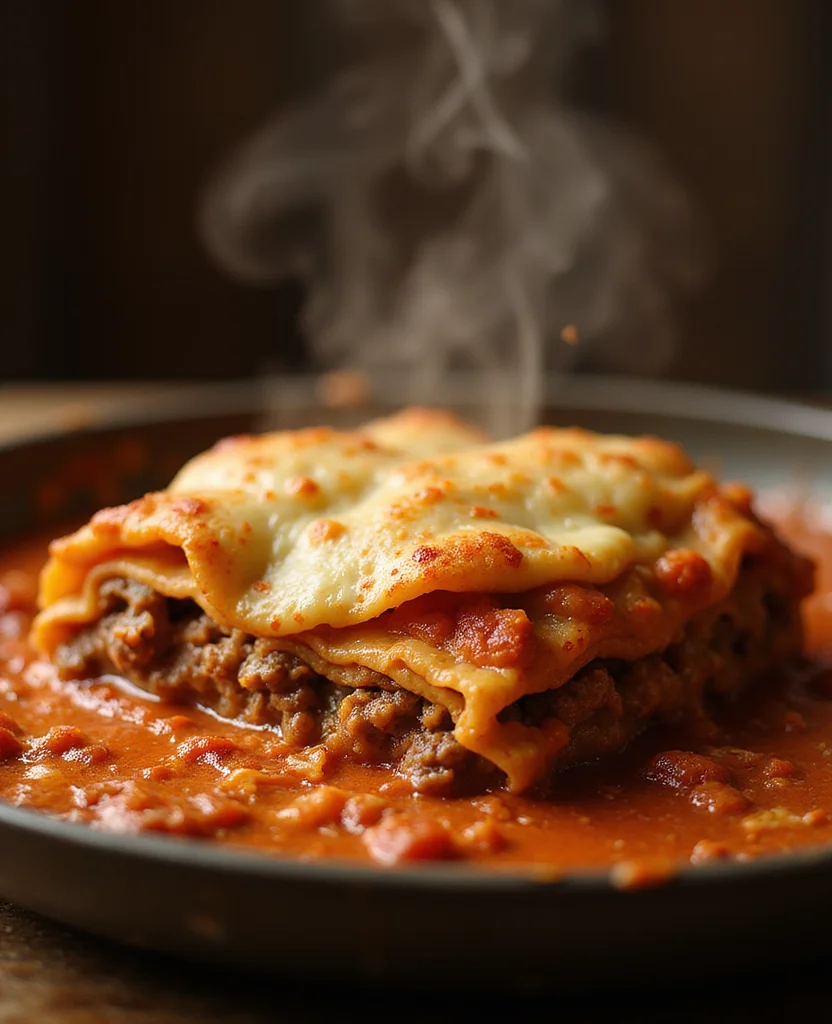
Cover the baking dish with foil to prevent over-browning.
Place in the preheated oven and bake for 30 minutes.
Remove foil and bake for an additional 15 minutes.
Look for a golden top and bubbling edges as signs of doneness.
Step 8: Rest and Serve
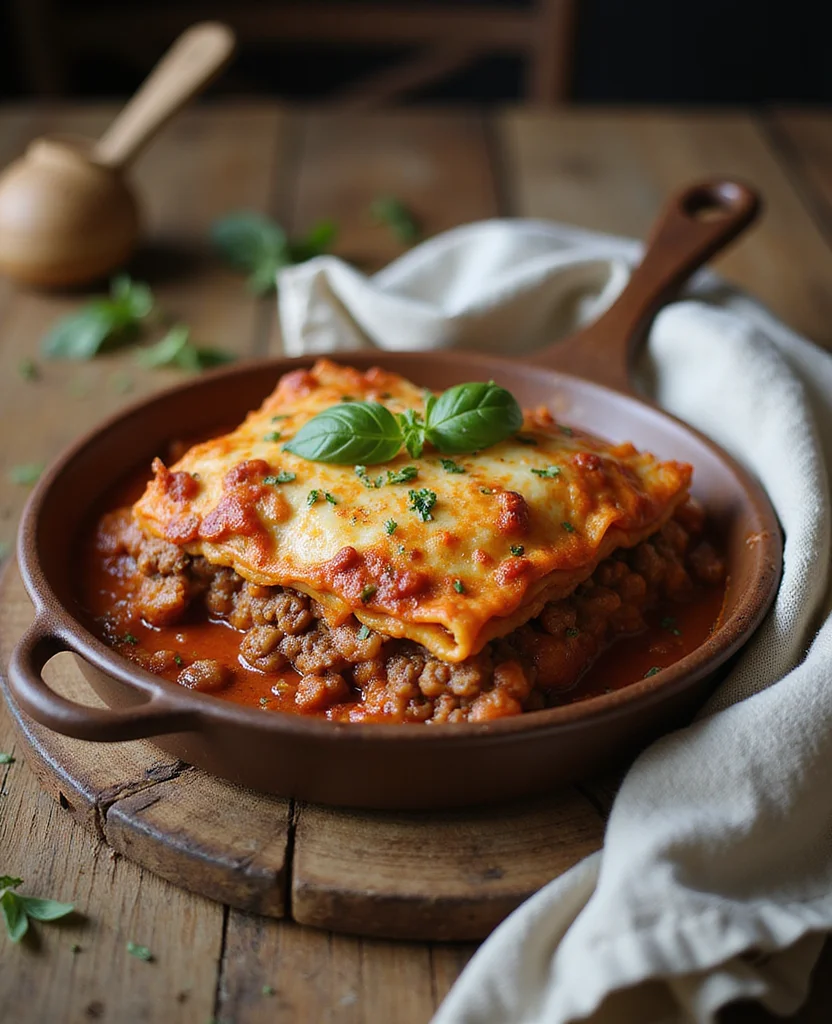
Remove the lasagna from the oven and let it rest for 10 minutes.
This allows the layers to set for easier serving.
Cut into squares using a sharp knife for clean edges.
Serve hot, garnished with fresh basil if desired.
Critical Timing and Temperature Guide
Browning Meat: Cook over medium-high heat for about 5-7 minutes until deeply browned. Ensure meat is evenly browned without burning the onions.
Baking Lasagna: Bake at 375°F (190°C) for 45 minutes total. Look for bubbling around the edges and a golden-brown top as indicators.
Sauce Simmering: Simmer meat sauce for 15 minutes. Stir occasionally and avoid high heat to prevent scorching.
Pro Tips for The Best Easy
• Ingredient Selection: Choose high-quality ground beef and fresh cheeses for the richest flavors. Fresh mozzarella makes a noticeable difference.
• Preparation Secret: Let the sauce simmer longer if time allows, as this deepens the flavor.
• Temperature Management: Ensure no-boil noodles are completely covered with sauce to soften properly.
• Texture Enhancement: Allow lasagna to rest after baking to set the layers, preventing a soupy texture.
• Flavor Layering: Add a pinch of red pepper flakes to the sauce for a hint of heat that enhances the overall flavor.
• Make-Ahead Strategies: Assemble the lasagna a day ahead and refrigerate. Bake when ready to serve for even better flavor melding.
• Restaurant-Quality Finishing Touches: Broil for a minute after baking for an extra crispy cheese top.
• Equipment Optimization: Use a heavy-bottomed skillet for browning meat to ensure even cooking.
Troubleshooting Common Issues
• Texture Too Dense: Caused by overcooking or insufficient sauce. Ensure noodles are adequately covered with sauce and adjust cooking time if needed.
• Flavors Unbalanced: Often due to under-seasoning. Taste the sauce before assembling and adjust salt and pepper accordingly.
• Cheese Not Melting: Use fresh, high-moisture mozzarella and ensure it's spread evenly. Consider covering with foil if browning too quickly.
• Runny Lasagna: Results from not allowing it to rest. Always let it sit for at least 10 minutes before serving to set layers.
• Bland Sauce: Enhance with additional herbs like basil or oregano. Simmer longer to concentrate flavors.
Variations and Regional Differences
• Neapolitan Lasagna: Uses ricotta and sliced boiled eggs for a richer texture, alongside traditional meat sauce.
• Vegetarian Lasagna: Replaces meat with layers of roasted vegetables such as zucchini and spinach, maintaining the traditional cheese blend.
• White Lasagna: Uses a béchamel sauce instead of tomato sauce, offering a creamy alternative.
• Mexican Lasagna: Incorporates spices like cumin and chili, with ingredients such as black beans and corn for a unique twist.
Food Science Behind the Recipe
• Maillard Reaction: This browning process enhances flavor in the beef, creating savory, complex notes essential for the sauce.
• Emulsification: The blending of cheese and sauce creates a creamy consistency, critical for smooth layers.
• Gelatinization: No-boil noodles absorb moisture from the sauce, cooking them perfectly in the oven.
Frequently Asked Questions
What's the most common mistake people make when preparing lasagna? Overcooking or under-seasoning the sauce, leading to a bland final dish.
Can I use regular lasagna noodles? Yes, but they must be boiled first according to package instructions before layering.
How can I make this dish ahead of time? Assemble the lasagna, cover, and refrigerate for up to 24 hours before baking.
How do I store leftovers? Store in an airtight container in the refrigerator for up to 4 days or freeze for up to 3 months.
Why is my lasagna runny? It may be due to insufficient resting time post-baking, allowing the layers to set.
Can I substitute ricotta cheese? Yes, cottage cheese can be used, but it will have a slightly different texture.
What can I do if my top browns too quickly? Cover with foil during baking and remove it for the last few minutes to allow even cooking.
Serving and Presentation Guide
• Traditional Presentation: Serve in generous squares directly from the baking dish, garnished with fresh basil leaves.
• Family Style: Place the baking dish at the center of the table, allowing guests to serve themselves.
• Individual Portions: Plate each serving with a side of mixed greens drizzled with vinaigrette for color contrast.
• Elegant Presentation: Use a ring mold to cut neat portions, serving on a white plate with a drizzle of balsamic reduction.
Conclusion
Embark on a culinary journey that brings the warmth and comfort of Italy right to your dining table.
With its rich layers and robust flavors, this easy beef lasagna is sure to become a family favorite.
Don't hesitate to make it your own with the tips and variations provided, and enjoy the delicious results!